Concrete quality is a cornerstone of durable construction, whether it’s for high-rise buildings, bridges, roads, or industrial facilities. Achieving consistent, high-quality concrete depends not only on raw materials but also on the technology and design of the batching plant. Modern stationary concrete batching plant designs are increasingly incorporating advanced features that ensure precise mixing, reduced material waste, and operational efficiency. These innovations allow construction companies to meet stringent project requirements while improving productivity and reducing costs.
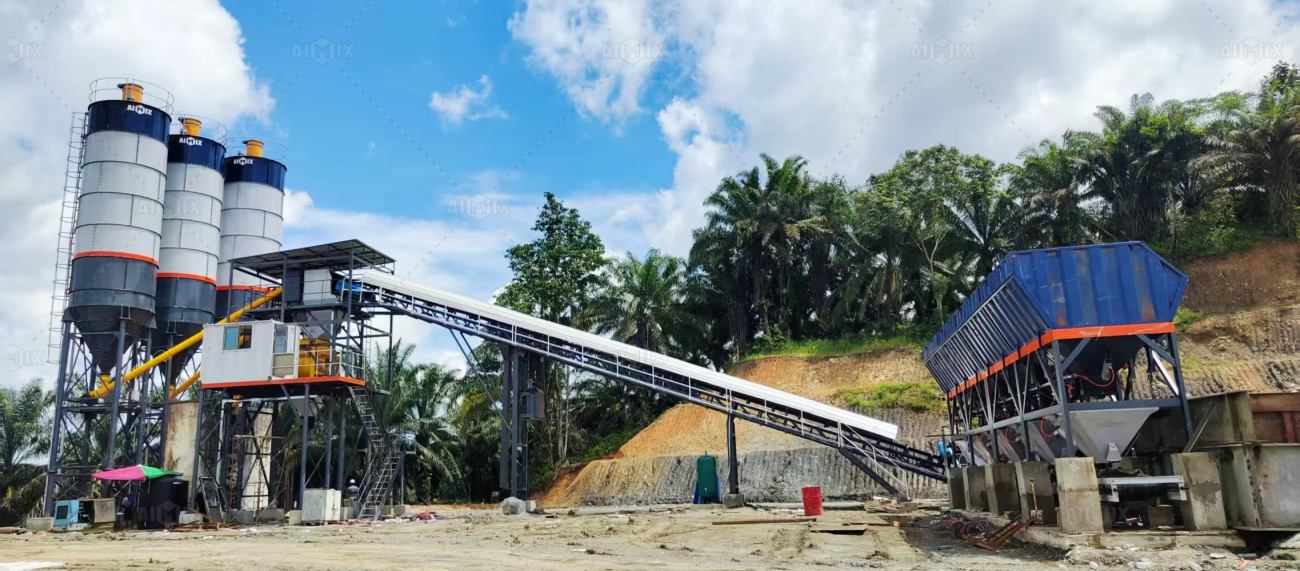
The Role of Stationary Concrete Batching Plants
A stationary concrete batching plant is a fixed installation designed to produce large volumes of concrete at a central location. Unlike mobile units, stationary plants offer high capacity and robust automation, making them ideal for large-scale projects such as highways, bridges, and industrial complexes. With modern designs, stationary plants can precisely control the proportion of cement, water, aggregates, and additives, ensuring consistent concrete quality.
Advanced batching plants are equipped with computerized control systems, automated weighing systems, and high-efficiency mixers. These technologies allow operators to monitor each step of the batching process, reduce human error, and achieve uniform mixing. The result is concrete with predictable strength, workability, and durability—essential for long-term structural performance.
Key Features Enhancing Concrete Quality
-
Precision Weighing and Dosing: Modern stationary concrete batching plant designs utilize electronic weighing systems for aggregates, cement, and water. This ensures that every batch meets exact specifications, minimizing variations in concrete quality.
-
High-Efficiency Mixing Systems: Advanced mixers reduce mixing time while achieving uniform consistency. Twin-shaft and planetary mixers are commonly used in high-performance plants to ensure thorough blending of materials, reducing the risk of segregation or uneven hydration.
-
Automation and Control: Computerized control panels allow operators to program mix designs, track production, and adjust parameters in real-time. Integration with remote monitoring systems ensures that concrete quality is maintained even during large-scale, continuous operations.
-
Environmental Management: Dust collectors, water recycling systems, and noise-reducing designs contribute to environmentally friendly operations. By minimizing material loss and reducing the plant’s ecological footprint, modern plants support sustainable construction practices.
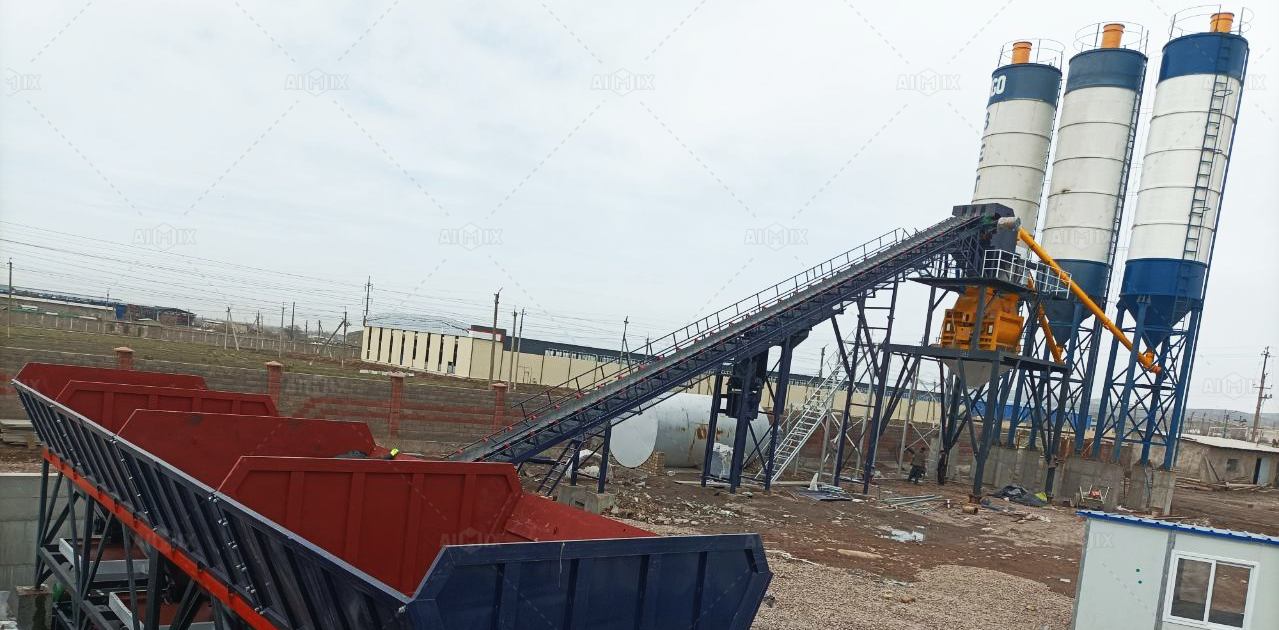
Comparing Types of Concrete Batching Plant
While stationary plants excel in high-capacity production, it’s important to understand the types of concrete batching plant available in the market:
-
Stationary Concrete Batching Plant: Ideal for long-term projects where concrete demand is high. They provide high automation, consistent quality, and stable output.
-
Mobile Concrete Batching Plant: Designed for projects with frequent relocation or remote construction sites. Mobile plants can be quickly assembled and disassembled, offering flexibility, though typically at lower capacity than stationary units.
-
Compact Concrete Batching Plant: Smaller footprint plants suitable for urban projects or construction sites with limited space. They offer moderate capacity with a balance between flexibility and performance.
Each type of plant serves a distinct purpose. Construction companies often choose a stationary plant for large, centralized projects and supplement with mobile plants for remote or short-term applications. Selecting the right type ensures optimal concrete quality and operational efficiency.
Advantages of Advanced Stationary Concrete Batching Plant Designs
-
Consistent Concrete Strength: Precision in material measurement and mixing ensures that each batch meets the required strength parameters, reducing rework and structural risks.
-
Reduced Material Waste: Automated dosing and real-time monitoring minimize overuse of cement, aggregates, and water, lowering project costs and environmental impact.
-
Operational Efficiency: High-capacity mixers, conveyor systems, and automated control panels allow continuous production with minimal downtime, increasing project productivity.
-
Enhanced Flexibility: Modern designs accommodate a wide range of mix designs, including high-performance, fiber-reinforced, or self-compacting concrete, catering to diverse project requirements.
-
Integration with Mobile Units: Some stationary plants are designed to work in tandem with mobile concrete batching plant units, enabling consistent quality across multiple sites and flexible delivery schedules.
Buying a Concrete Plant
When construction companies decide to buy concrete plant, factors such as project scale, location, and production capacity are critical. Modern manufacturers offer turnkey solutions, including installation, training, and after-sales support, to ensure smooth operations. Buyers can choose from fully automated stationary plants, mobile units, or hybrid solutions depending on their operational needs.
Investing in advanced stationary designs not only enhances concrete quality but also improves long-term cost efficiency. With precise material handling, environmental controls, and high-capacity mixers, buyers can ensure that their concrete production meets international standards and project specifications.
Conclusion
Advanced stationary concrete batching plant designs are revolutionizing the way high-quality concrete is produced. By integrating precise weighing systems, high-efficiency mixers, automated controls, and environmental management solutions, these plants provide consistent, reliable concrete for large-scale construction projects.
Understanding the types of concrete batching plant and the benefits of each allows construction companies to choose the right equipment for their specific needs. For projects requiring flexibility and remote operations, mobile concrete batching plant units complement stationary systems to maintain consistent quality.
Ultimately, investing in a well-designed stationary concrete batching plant is a strategic decision. Construction companies that buy concrete plant with advanced features gain higher productivity, superior concrete quality, and operational efficiency, positioning themselves for success in a competitive construction market.