When investors compare a concrete plant price from different suppliers, they often believe the biggest expense has already been defined. In Latin America, however, the purchase invoice represents only a fraction of the total cost. Whether you operate a portable concrete batching plant on temporary projects or a fixed concrete plant in Santiago, hidden operating expenses will shape your real profit margin far more than the equipment itself.
This article explains where these invisible costs come from and why many operators of a mini concrete plant or medium-capacity station underestimate the long-term financial burden.
Energy Costs Are Higher Than Expected
Unreliable Power Infrastructure
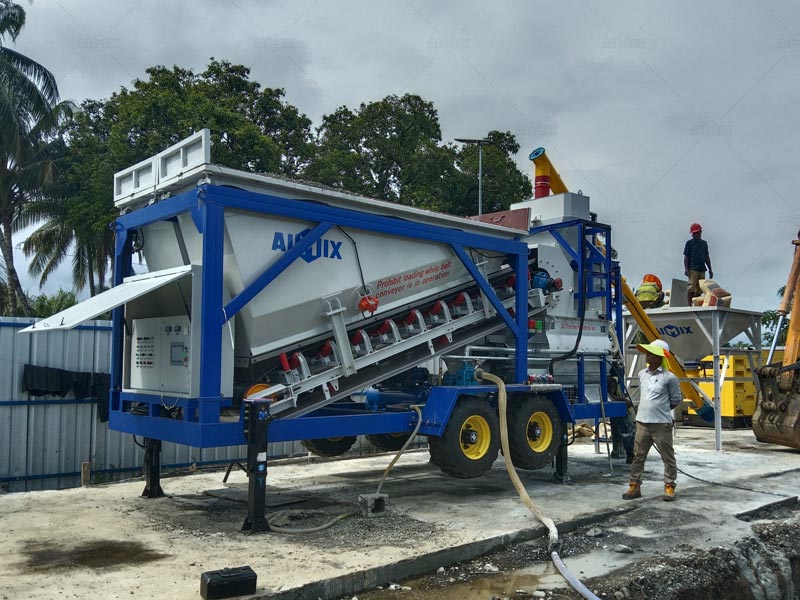
Across much of Latin America, grid stability remains a major challenge. Even in industrial corridors, voltage fluctuations damage PLC systems, load cells, and inverters. Owners of a portable concrete batching plant often need diesel generators as permanent infrastructure, not emergency backup. These generators significantly increase operational expenditure and fuel consumption.
In regions such as Colombia, Peru, and Bolivia, electricity failures force plants to run on diesel for several hours per day. Over a year, the real energy cost may exceed the estimated energy line used to calculate the initial concrete plant price(planta de concreto precio).
Water Supply and Recycling
Concrete production is water-intensive. Operators of a mini concrete plant frequently assume municipal water is affordable. In reality, water tariffs vary sharply, and in arid zones such as northern Chile, recycled water systems become mandatory. Pumps, filters, and sedimentation tanks introduce new maintenance and labor costs.
Labor Costs Are a Structural Risk
Training and Skill Gaps
Modern batching plants use digital weighing and automatic moisture correction. Many buyers who invest in a portable concrete batching plant(planta dosificadora de concreto portátil) underestimate the cost of training. Technicians capable of operating modern control systems are scarce, leading to frequent retraining and remote technical support contracts.
Regulatory Compliance
Labor legislation in Latin America continues to tighten. Social security contributions, accident insurance, and overtime compensation add recurring costs. Whether you manage a mini concrete plant or a high-capacity concrete plant in Santiago, compliance overhead may increase your labor budget by more than 30 percent compared to initial projections.
Spare Parts, Customs, and Downtime
Import Barriers
Most batching plant components are imported. When a sensor or valve fails, operators face customs clearance delays that stop production. While the concrete plant price rarely includes spare-parts logistics, downtime losses can surpass the value of the original component.
Inventory Costs
To avoid shutdowns, many owners stock critical components. However, carrying inventory ties up cash flow and requires proper storage. These hidden capital costs affect both portable concrete batching plant operators and stationary sites.
Environmental Compliance Is No Longer Optional
Dust and Noise Restrictions
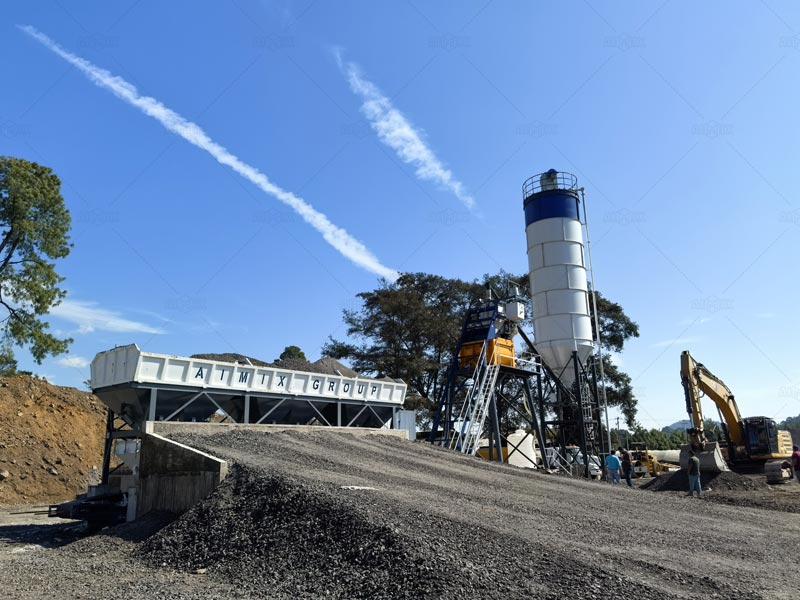
In metropolitan regions such as a concrete plant in Santiago, dust collectors, enclosed conveyors, and acoustic barriers are mandatory. These systems were often excluded when buyers compared the concrete plant price between suppliers.
Wastewater Management
Wash water treatment systems are now required by most municipalities. Sludge handling, chemical treatment, and environmental reporting add permanent operational burdens, especially for operators of a mini concrete plant(mini planta de concreto) who expected minimal compliance requirements.
Land Use and Community Relations
Zoning Changes
Urban expansion creates uncertainty. A portable concrete batching plant located near new housing developments may suddenly face relocation requirements. Civil works, relocation costs, and land leasing fees are rarely visible when negotiating the concrete plant price.
Social Responsibility Expenses
Noise complaints and truck congestion lead to legal disputes. Progressive operators invest in traffic management, noise walls, and community engagement to protect their license to operate.
Transport and Fuel Volatility
Fuel Price Instability
Concrete logistics are fuel-driven. When diesel prices rise, the margin per cubic meter collapses. Portable concrete batching plant operators who relocate frequently cannot hedge fuel costs, making them especially vulnerable.
Fleet Maintenance
Truck mixers and loaders operate on poor road networks. Suspension failures, tire replacement, and hydraulic repairs add unplanned expenses. None of these costs are included in the advertised concrete plant price.
Quality Control and Rejected Batches
Aggregate Variability
Moisture and grading inconsistency is common in Latin America. Plants without advanced sensors experience high rejection rates. Whether managing a mini concrete plant or a concrete plant in Santiago(plantas de hormigón en Santiago), quality failures translate directly into lost materials.
Cost of Rework
Every rejected batch means wasted cement, fuel, and labor. Over twelve months, rework losses often equal several percent of total revenue.
Technology Upgrade Cycle
Software Licenses
Modern batching systems require annual software subscriptions. These licensing fees did not exist in older-generation plants but now form a significant share of operational cost.
Control System Modernization
Within five to seven years, most plants must upgrade control hardware. Operators who based decisions only on the concrete plant price are often unprepared for these capital expenditures.
Case Focus: Concrete Plant in Santiago
A concrete plant in Santiago operates under one of the strictest regulatory environments in the region. Land leasing costs, environmental monitoring, and transport restrictions all raise the operational baseline. Even a high-efficiency portable concrete batching plant will struggle to remain profitable without comprehensive cost forecasting.
Why Small Plants Are Not Automatically Low-Cost
Buyers often choose a mini concrete plant believing the smaller concrete plant price means lower financial risk. In practice, lower automation levels, higher labor dependency, and weaker quality control increase cost per cubic meter and erode margins.
Conclusion: Evaluate the Full Cost of Ownership
The concrete plant price is only the entry ticket. Energy instability, labor compliance, environmental regulation, logistics volatility, and technology upgrades define the real financial performance. Whether investing in a portable concrete batching plant for infrastructure projects or a concrete plant in Santiago for urban supply, long-term success depends on recognizing these hidden costs and integrating them into the business model from day one.