Installing a 40-ton overhead crane in a prefabricated steel workshop is a highly demanding task that combines engineering, logistics, and safety challenges. Prefabricated steel workshops, while offering rapid construction and cost advantages, often present unique obstacles due to their modular design and lightweight structural components. This article explores the key challenges encountered during the installation of a 40-ton overhead crane in such workshops, focusing on structural integrity, logistical planning, technical considerations, and safety management.
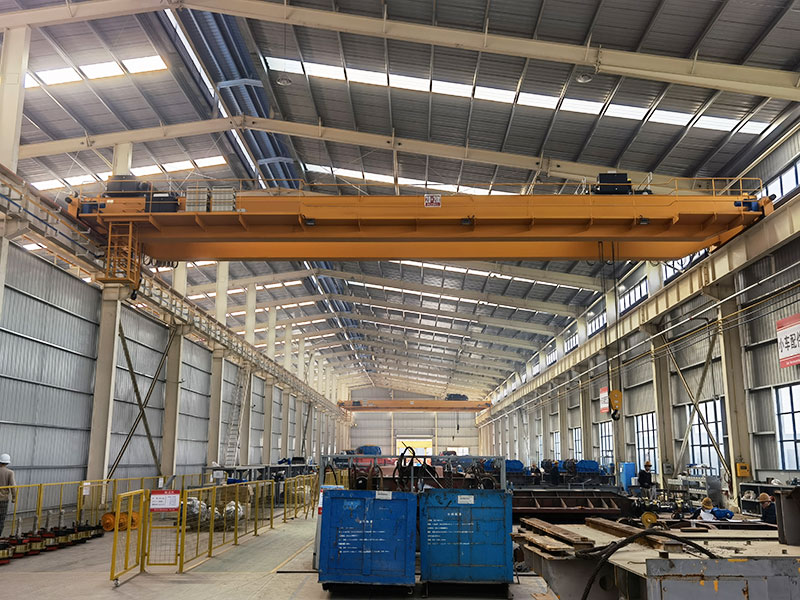
1. Structural Limitations of Prefabricated Steel Workshops
One of the primary challenges in installing a 40 ton overhead crane is ensuring that the workshop structure can safely support the crane’s weight and operating loads. Prefabricated steel workshops are typically designed with lighter columns, beams, and roof structures than conventional steel or concrete buildings. While sufficient for standard workshop operations, these structures may not inherently accommodate the high loads imposed by a heavy-duty crane.
1.1 Load-Bearing Challenges
A 40-ton overhead crane, including its bridge, trolley, and hoist mechanisms, can weigh more than 10-15 tons by itself. When lifting a full load, the total stress on the supporting beams can exceed 50 tons in concentrated areas. This can lead to overstressing the columns or beams, necessitating structural reinforcement such as additional bracing, stronger beams, or foundation upgrades.
1.2 Beam Deflection and Crane Alignment
Prefabricated steel structures are more flexible than traditional buildings, which makes them prone to beam deflection under dynamic loads. Excessive deflection can misalign the crane rails, reduce lifting accuracy, and accelerate wear on the crane components. Careful structural analysis and reinforcement are essential to ensure that the crane operates safely and efficiently.
1.3 Foundation Adequacy
Even lightweight prefabricated workshops require foundations capable of supporting the concentrated loads from crane end trucks. Uneven settlement or under-designed foundations can lead to runway misalignment, operational hazards, and premature equipment wear.
2. Logistical Challenges During Crane Installation
The transportation, assembly, and positioning of a 40-ton crane in a prefabricated workshop present significant logistical obstacles.
2.1 Space Constraints in Prefabricated Workshops
Prefabricated workshops often have compact layouts, which can restrict the maneuvering of large overhead crane components such as girders, end trucks, and hoists. Limited floor space requires precise planning of lifting sequences, sometimes using mobile cranes or temporary gantries.
2.2 Transportation of Oversized Components
Crane girders and bridge beams can be extremely long, sometimes exceeding 20 meters. Transporting these components to the workshop site can be challenging, particularly if roads are narrow or weight-restricted. Coordinating deliveries to avoid delays and ensure on-time assembly is critical.
2.3 Sequencing Assembly Work
Since prefabricated workshops are built in stages, the crane installation must be carefully sequenced to avoid interference with ongoing construction activities. Preassembling crane components on the ground may be required, but ground space may be limited, necessitating innovative approaches.
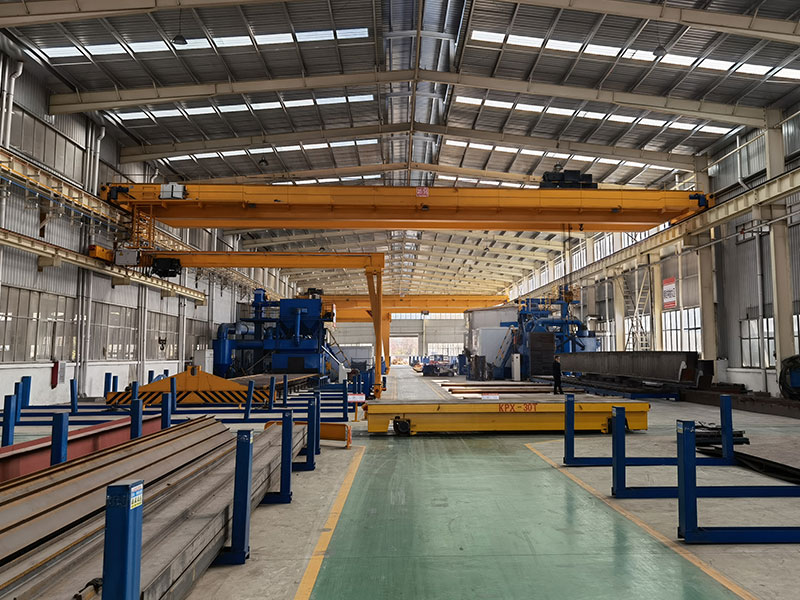
3. Technical Challenges of Integrating a 40-Ton Crane
Installing a heavy-duty overhead crane in a prefabricated steel workshop requires precise technical execution, especially in alignment, electrical integration, and control systems.
3.1 Runway Alignment in Prefabricated Structures
Proper alignment of the crane rails is critical. Even minor deviations can lead to operational inefficiencies, wheel wear, and potential safety hazards. Prefabricated structures may have construction tolerances that require shimming, grouting, or adjustment during installation.
3.2 Electrical and Control System Integration
A 40-ton crane relies on high-capacity electrical power for bridge, trolley, and hoist operations. Integrating these systems into a workshop not originally designed for such loads can be challenging. Proper cable routing, grounding, and installation of control panels are essential to prevent faults and ensure safety.
3.3 Advanced Automation and Safety Integration
Modern cranes often include remote control, variable frequency drives, and safety interlocks. Installing these systems in prefabricated steel structure workshops may require additional space for control cabinets and protection against dust, humidity, or temperature variations.
4. Safety Challenges Specific to Prefabricated Workshops
Safety is a critical consideration throughout the installation of a 40-ton crane, particularly in prefabricated steel workshops with compact layouts and lightweight structures.
4.1 Risk During Lifting and Installation
The installation process involves heavy lifts and work at height. Limited space and lightweight structures increase the risk of accidents. Strict adherence to safety protocols, proper lifting equipment, and personnel training are mandatory.
4.2 Structural Safety After Installation
Once installed, the crane adds significant dynamic loads to the workshop. Continuous monitoring of deflection, foundation settlement, and structural fatigue is essential to maintain long-term safety.
4.3 Compliance with Standards and Regulations
Crane installation must meet local and international standards such as OSHA, CMAA, and ISO. Prefabricated workshops may require modifications to meet these requirements, including enhanced bracing, secure rail anchoring, and overload protection systems.
5. Environmental and Operational Considerations
Prefabricated steel workshops may present additional operational challenges due to environmental exposure and workshop layout.
5.1 Thermal Expansion and Deflection
Steel expands and contracts with temperature changes, affecting crane alignment. Installation must account for these variations to maintain smooth and precise crane operation.
5.2 Dust, Moisture, and Corrosion
Prefabricated structures can be more vulnerable to moisture ingress and dust accumulation, which can affect crane rails, wheels, and electrical systems. Protective coatings and regular maintenance are necessary.
5.3 Operational Interference
Post-installation, the crane must coexist with other workshop operations. Careful planning of travel paths, clearances, and safety zones ensures smooth operations without disrupting other activities.
6. Strategies to Overcome Installation Challenges
Successfully installing a 40-ton overhead crane in a prefabricated steel structure workshop requires proactive planning and technical solutions:
-
Structural Reinforcement: Strengthen beams, columns, and foundations to handle high loads.
-
Precise Logistical Planning: Coordinate component delivery, ground assembly, and lifting sequences.
-
Accurate Alignment: Use laser and survey tools for precise runway alignment.
-
Safety Management: Implement strict protocols, personnel training, and emergency response plans.
-
Technical Integration: Ensure electrical, control, and safety systems are fully compatible with the workshop infrastructure.
-
Environmental Protection: Apply protective coatings and maintain routine inspection schedules.
Conclusion
Installing a 40-ton overhead crane in a prefabricated steel workshop presents multifaceted challenges. From structural limitations and logistical complexities to technical integration and safety concerns, each aspect requires careful consideration and meticulous planning. By addressing these challenges with a comprehensive engineering approach, it is possible to ensure that the crane operates safely, efficiently, and reliably, thereby enhancing material handling capabilities and overall productivity within the workshop.