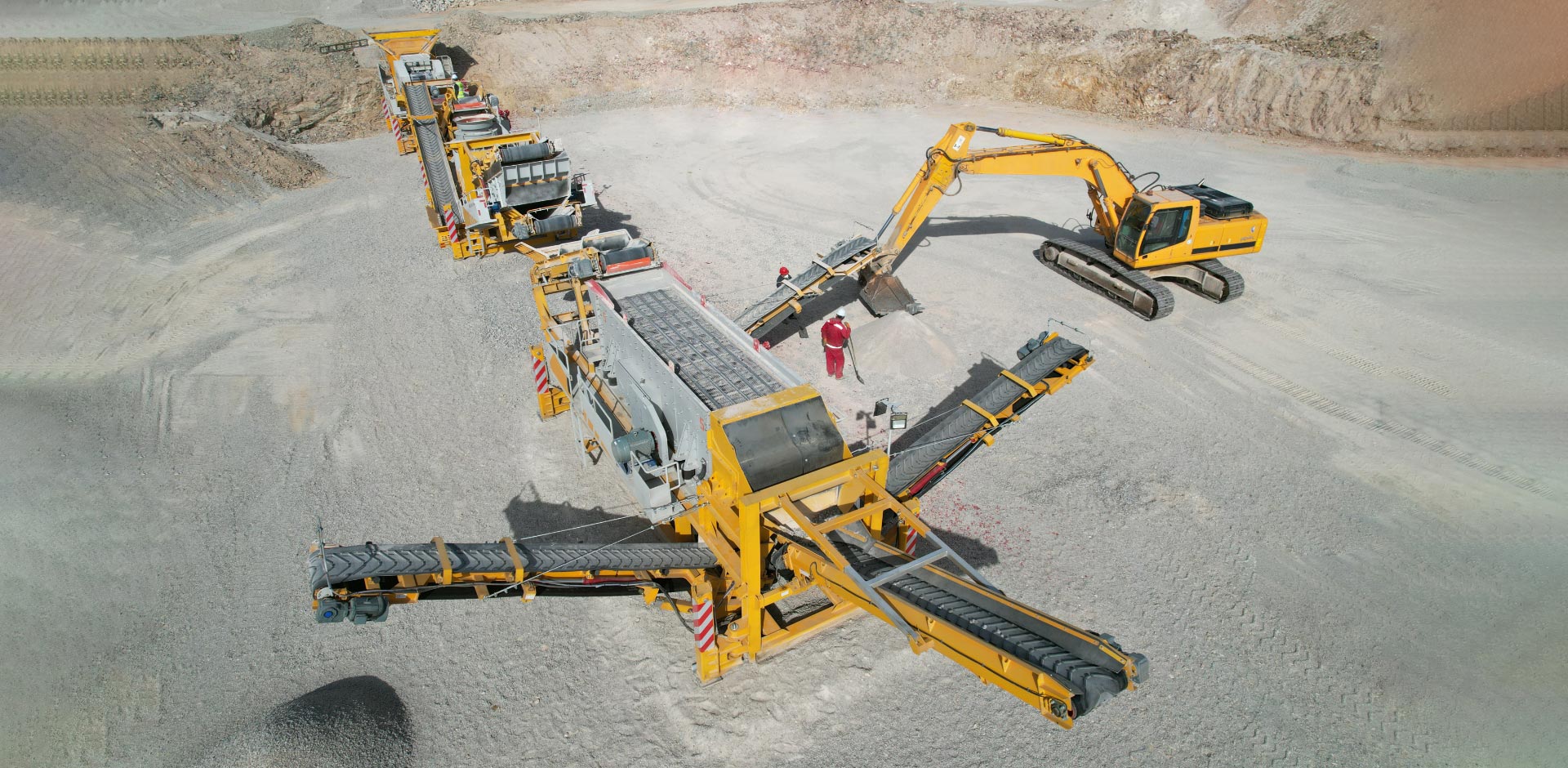
From a contractor’s perspective, involvement with a limestone crusher cement plant represents a major project characterized by scale, precision, and critical interdependencies. It is not merely the installation of a standalone machine for crushing stone; it is the deployment of the primary, beating heart of the entire raw material preparation circuit. The question of what is limestone crusher in this context extends far beyond a simple definition—it is a complex, high-availability industrial system designed to feed a continuous process that cannot stop. For a contractor, this translates into a project with zero tolerance for errors that could disrupt the client’s 24/7 production schedule after commissioning. Your role encompasses understanding the crusher’s function within the holistic crushing plant aggregate flow, managing the logistical challenges of erecting massive equipment, and ensuring the installation meets exacting performance and reliability standards. The stakes are high, as the crusher’s output—consistent, correctly sized limestone—is the essential raw material for clinker production, making its performance directly proportional to the cement plant’s profitability. This guide outlines the key considerations, from technical understanding to project execution, that a contractor must master to successfully deliver a limestone crushing system for a modern cement plant.
Understanding the Crusher’s Role in the Cement Production Chain
To effectively manage the project, a contractor must first comprehend the crusher’s non-negotiable role in the value chain. In a cement plant, the limestone crusher is the first step in raw material processing. Its sole purpose is to reduce quarried limestone, which can arrive in chunks over a meter in size, to a much smaller, uniform diameter—typically under 25mm or even finer. This size reduction is critical for two reasons: efficiency and chemistry. First, it creates a manageable feed for the raw mill, which grinds the limestone into a fine powder called raw meal. Second, the increased surface area of the crushed material is essential for the subsequent high-temperature chemical reactions in the kiln. Therefore, when a contractor asks what is limestone crusher in this setting, the answer is a reliability-critical asset. Any failure or bottleneck here doesn’t just slow down one machine; it starves the entire production line, leading to massive financial losses for the plant owner. This context dictates every aspect of the contractor’s work, from foundation design (which must absorb immense dynamic loads for decades) to the selection of redundant systems and the planning of future maintenance access without disrupting operations.
Primary Crusher Selection: Matching Machine to Quarry Output
The choice of the primary machine for crushing stone is a fundamental decision that the contractor often executes based on client and engineer specifications, but understanding the rationale is crucial. For a high-tonnage cement plant, two main aggregate crusher types dominate: large jaw crushers and gyratory crushers. A single-toggle jaw crusher might be selected for its robustness and slightly lower capital cost, handling the massive limestone blocks with a compressive crushing action. However, for the largest plants with a continuous quarry output exceeding 1,000 tons per hour, a gyratory crusher is often the preferred primary limestone crusher cement plant component. Its advantage lies in its continuous crushing action and higher capacity-to-feed-size ratio, which aligns perfectly with the non-stop demand of the kiln. The contractor’s task involves not just installing this behemoth but also integrating it with the massive feed system from the quarry (like apron feeders) and the take-away conveyor system. The installation requires precision alignment of the crusher base, meticulous assembly of the crushing chamber and mantle, and integration of the hydraulic systems for adjustment and overload protection. The contractor’s expertise ensures this primary reduction stage is built for a lifetime of punishing, continuous service.

System Integration and the Complete Crushing Plant Flow
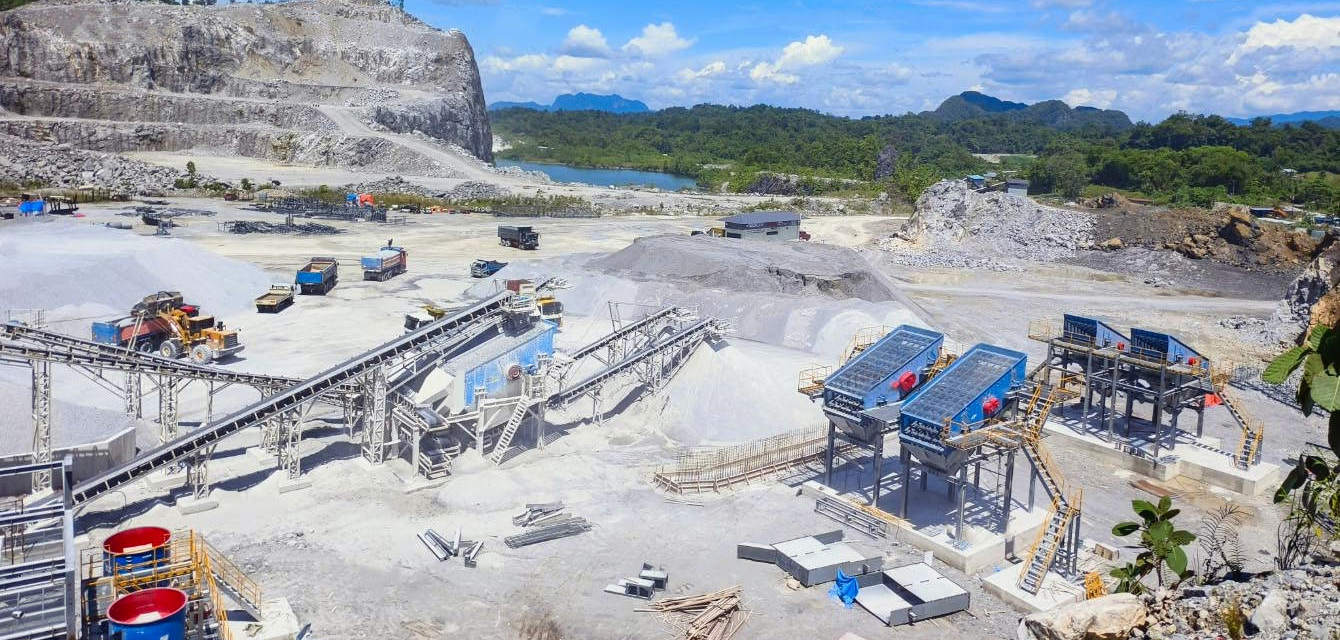
A contractor’s true value is demonstrated in understanding and executing the crushing plant aggregate as a complete system, not a collection of parts. After primary crushing, the limestone often goes through secondary and sometimes tertiary crushing stages to achieve the precise size required by the raw mill. This may involve cone crushers or high-pressure grinding rolls (HPGR) in a closed circuit with vibrating screens. The contractor must manage the spatial logistics of erecting this multi-stage circuit—ensuring conveyors are correctly aligned to prevent material spillage and wear, that transfer points are designed to minimize dust and choke points, and that the electrical and control systems for the entire plant are seamlessly integrated. Dust control is a paramount environmental and operational concern; the contractor is responsible for installing effective baghouse filter systems or water spray systems at every transfer point. Furthermore, the entire crushing plant aggregate system must be interfaced with the raw material stockpile or pre-homogenization yard, often involving stackers and reclaimers. This level of integration requires meticulous coordination between civil works (for foundations and structures), mechanical erection, and electrical and automation teams, all working from a single, unified set of PID (Piping and Instrumentation Diagram) and layout drawings.
Key Contractor Responsibilities: From Logistics to Commissioning
The contractor’s perspective is defined by a series of concrete, high-stakes responsibilities. Heavy Lift Planning and Logistics is the first major hurdle. Transporting and erecting a primary crusher mantle, the crusher frame, or large rotary dryer drums requires detailed lift plans, selection of appropriate cranes (often of very high capacity), and secure heavy haulage routes to the site. Foundation and Civil Works are critical; the foundations for a primary crusher are massive concrete structures designed to absorb vibration and dynamic loads. Any flaw here can lead to catastrophic failure. Precision Mechanical Alignment is non-negotiable. Misalignment of crusher shafts, conveyor pulleys, or mill gears leads to premature wear, excessive vibration, and unplanned downtime. Safety and Environmental Management throughout the construction phase is a core duty, especially when working alongside a live operating plant during a retrofit or expansion. Finally, Commissioning and Performance Testing is the ultimate validation of the contractor’s work. This involves a cold run (without material), a hot run (with limestone), and a performance guarantee test where the entire crushing plant aggregate system must meet guaranteed throughput, product size, and power consumption figures. Successfully guiding the client’s operators through this process and handing over a fully functional, reliable limestone crusher cement plant circuit is the final and most critical deliverable, cementing the contractor’s reputation for excellence in heavy industrial project execution.