Stationary concrete pump for sale, especially the small-sized models, has become a staple in small-to-medium construction projects globally, valued for its stability and cost-effectiveness. Over the past five years, small concrete pump price has experienced frequent fluctuations, driven by a combination of global supply chain shifts, market demand changes, policy adjustments, and technological upgrades. These fluctuations directly affect the pricing strategy of concrete pump for sale suppliers and the procurement budget of construction enterprises, making it crucial to unpack the core influencing factors.
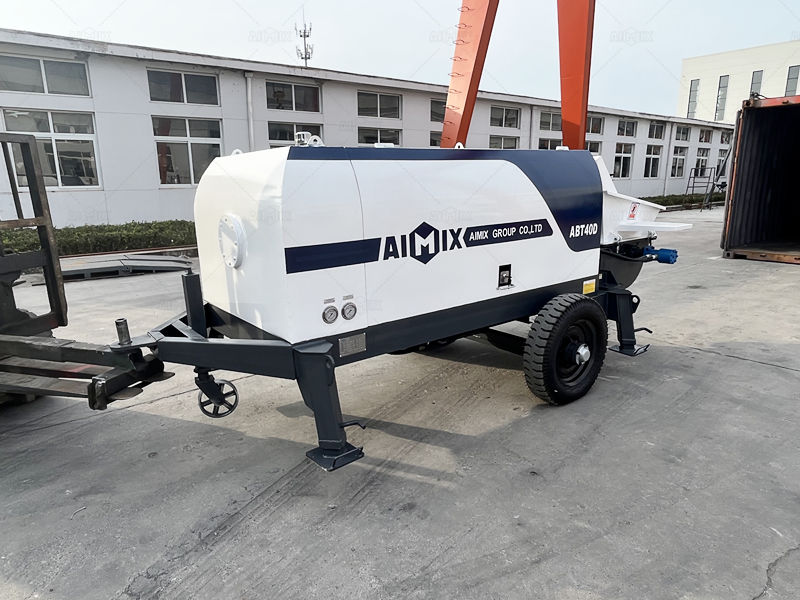
Global Supply Chain Disruptions and Core Component Costs
The past five years have witnessed significant global supply chain volatility, which has emerged as a primary driver of small concrete pump price fluctuations. Stationary type small concrete pumps rely on core components such as hydraulic systems, motors, and pumping mechanisms, whose prices are highly sensitive to raw material costs and supply shortages. For instance, the surge in steel, aluminum, and copper prices between 2021 and 2023—triggered by post-pandemic demand spikes and geopolitical tensions—directly increased the production cost of components, forcing suppliers to raise the price of stationary concrete pump for sale by 8% to 12%. Additionally, the global shortage of semiconductor chips in recent years has affected the production of intelligent control systems for small concrete pumps, leading to delayed deliveries and a premium on available inventory. The concrete pumping trailer, often paired with stationary small concrete pumps for on-site mobility, has also seen cost increases due to rising chassis and tire prices, which indirectly impacts the overall pricing of the stationary pump system. Suppliers, facing higher component procurement costs, had to pass on a portion of the burden to buyers, resulting in periodic small concrete pump price hikes.
Market Demand Shifts Driven by Infrastructure Investment
Changes in global infrastructure investment trends over the past five years have significantly influenced market demand for stationary concrete pump for sale, thereby affecting small concrete pump price. The post-pandemic era saw many countries launching large-scale infrastructure stimulus packages to boost economic recovery—for example, China’s focus on rural revitalization and urban renewal projects, and India’s infrastructure development plans, which drove strong demand for small concrete pumps suitable for narrow construction sites. From 2022 to 2024, the global market size of concrete pumps grew at a CAGR of 8.5%, with small stationary models accounting for over 40% of total sales. This surge in demand gave suppliers greater pricing power, leading to a 10% to 15% increase in small concrete pump price during peak periods. Conversely, in regions with sluggish infrastructure investment, such as some European countries amid economic austerity, weak demand forced suppliers to cut prices by 5% to 8% to clear inventory. The concrete pumping trailer, as a complementary product, also experienced demand-linked price fluctuations, with prices rising in tandem with stationary pumps during high-demand phases.
Policy Adjustments and Import-Export Tariff Changes
Policy adjustments and import-export tariff changes across major markets have exerted a notable impact on small concrete pump price over the past five years. Many countries have introduced policies to promote green and energy-efficient construction equipment, which has affected the pricing of traditional vs. upgraded stationary concrete pump for sale. For example, governments in China, the EU, and Southeast Asia have offered subsidies for energy-saving concrete pumps, encouraging suppliers to invest in R&D of low-energy models. While these subsidies have helped offset some production costs for upgraded models, the price of traditional stationary small concrete pumps has gradually declined due to reduced demand, creating a price gap between energy-efficient and conventional models. Additionally, changes in import tariffs—such as the U.S. tariff adjustments on Chinese construction equipment and the EU’s revised customs duties—have affected the price of imported stationary concrete pump for sale. For instance, an increase in import tariffs would raise the landed cost of small concrete pumps, leading to higher local market prices, while tariff reductions would enhance price competitiveness of imported models, pressuring domestic suppliers to lower their small concrete pump price.
Technological Upgrades and Product Value Enhancement
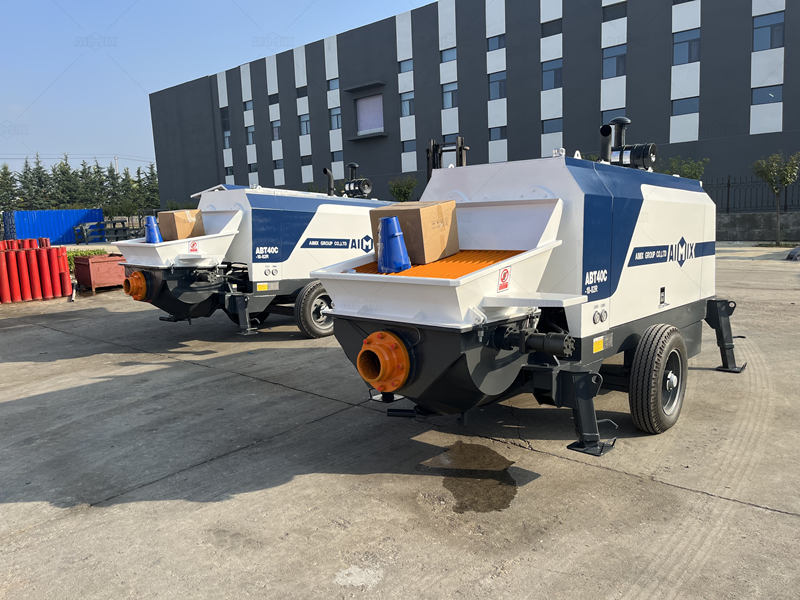
Technological advancements in the past five years have driven upgrades in stationary type small concrete pumps, directly influencing small concrete pump price through value enhancement. Suppliers have integrated intelligent features such as remote monitoring, automatic pressure regulation, and fault diagnosis into small stationary concrete pumps to improve operational efficiency. These upgrades, while increasing R&D and production costs, have also raised the product’s value proposition, justifying a 12% to 18% price premium for intelligent models compared to traditional ones. The concrete pumping trailer has also undergone technological improvements, with the addition of anti-skid systems and hydraulic lifting mechanisms, which have increased its cost and, in turn, the overall cost of the matching stationary pump set. For buyers, the higher price of technologically advanced stationary concrete pump for sale is often offset by long-term operational savings, but the initial price fluctuation has been significant. Over the past five years, the share of intelligent small concrete pumps in total concrete pump for sale has risen from 15% to over 30%, driving an overall upward trend in average small concrete pump price.
Market Competition and Brand Pricing Strategies
Intensified market competition among concrete pump suppliers over the past five years has led to dynamic small concrete pump price adjustments. The global market for stationary concrete pump for sale has become increasingly crowded, with emerging brands from China, India, and Southeast Asia offering cost-competitive models to gain market share. This competition has pressured established brands to adjust their pricing strategies—either lowering prices for entry-level small concrete pumps or maintaining premiums through enhanced after-sales services. For example, some Chinese suppliers have reduced small concrete pump price by 5% to 7% by leveraging economies of scale, while European brands have maintained higher prices by emphasizing quality and technical support. The concrete pumping trailer market has also seen similar competitive dynamics, with suppliers offering bundled pricing (stationary pump + pumping trailer) to attract buyers, which has occasionally led to temporary small concrete pump price reductions. Additionally, the rise of second-hand concrete pump for sale platforms has created price pressure on new stationary small concrete pumps, as cost-sensitive buyers opt for used equipment, forcing new pump suppliers to adjust prices to remain competitive.
Fluctuations in Logistics and Transportation Costs
Changes in global logistics and transportation costs over the past five years have indirectly contributed to small concrete pump price fluctuations. Stationary concrete pump for sale, along with its complementary concrete pumping trailer, is typically transported via sea freight, whose costs have been highly volatile—skyrocketing in 2021-2022 due to container shortages and port congestion, then declining in 2024 as supply chain bottlenecks eased. For example, the average sea freight cost for a 40-foot container increased by over 200% in 2022, leading to a 6% to 9% increase in the final price of imported stationary small concrete pumps. Land transportation costs, affected by rising fuel prices and labor shortages, have also added to the overall cost burden. Suppliers, especially those operating in export-oriented markets, have had to adjust small concrete pump price frequently to adapt to changing logistics costs. When logistics costs dropped in 2024, some suppliers passed on the savings to buyers through promotional pricing, resulting in a temporary downward fluctuation in small concrete pump price.
In summary, small concrete pump price fluctuations over the past five years are a result of intertwined factors including supply chain dynamics, demand shifts, policy changes, technological upgrades, competition, and logistics costs. For both suppliers of concrete pump for sale and construction enterprises, understanding these factors is key to navigating price volatility and making informed decisions.